Collision-Free Coastline Network logo
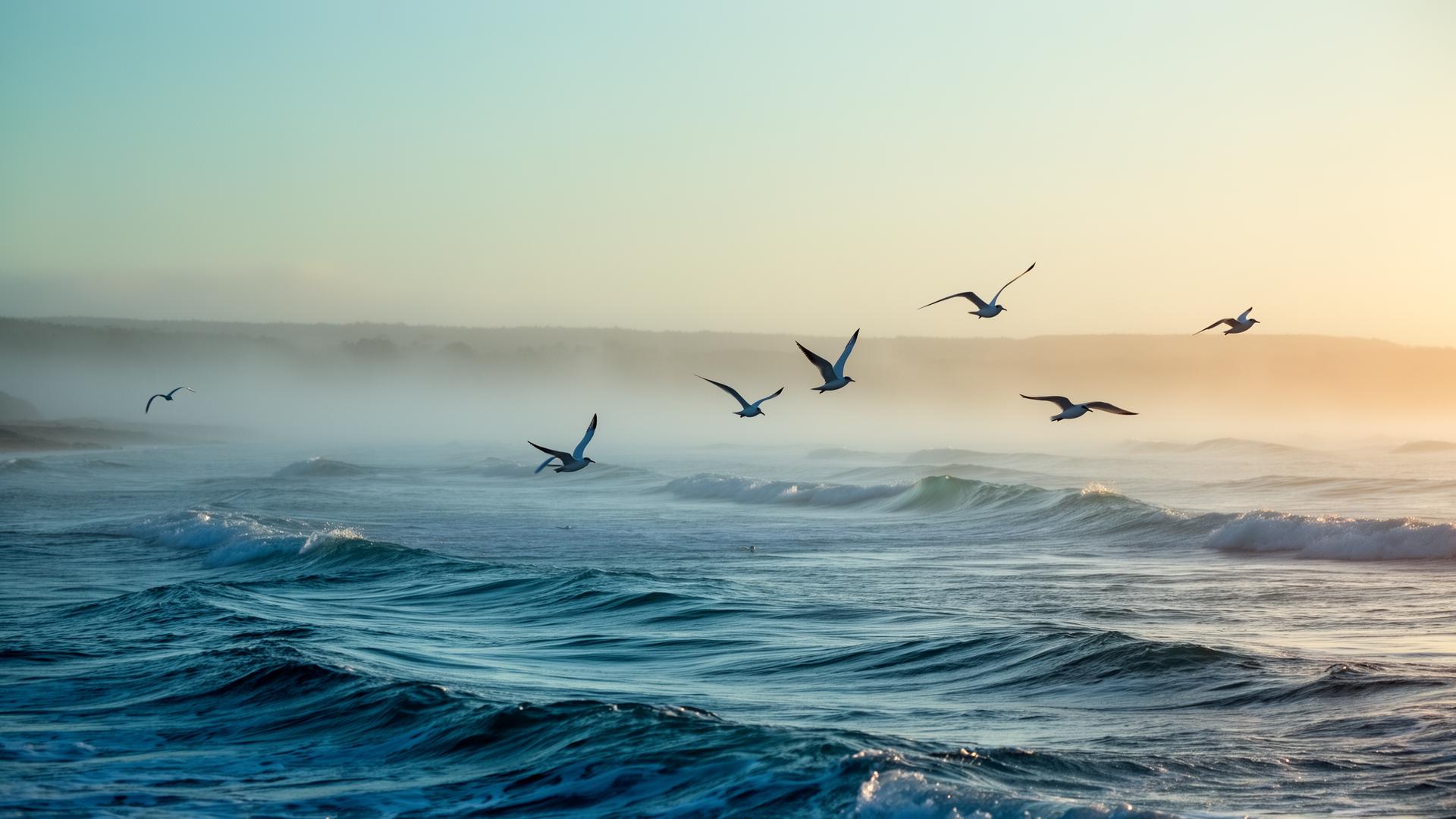
Seabirds in flight over a misty coastline
2026 Cohort in Progress
A youth-led conservation initiative

Collision-Free
Coastline Network

A youth-led initiative empowering students to protect coastal birds through education, community action, and practical conservation.

The Problem

An Overlooked Conservation Crisis

Birds mistake reflections of sky or water for open habitat, then fly straight into the glass. Coastal birds are especially vulnerable.

≈1 Billion

birds die annually from window collisions in North America.

Source: Loss et al. (2014), The Condor: Ornithological Applications
75%+

of coastal migration routes overlap with developed shorelines.

Preventable

most collisions can be reduced with simple, low-cost solutions.

Source: American Bird Conservancy, Bird-Friendly Building Design
See It Yourself

Glass by Day, Light by Night

Birds face two big threats along the coast. Drag the slider to see bird-safe glass, then switch to night to see how lighting changes their path.
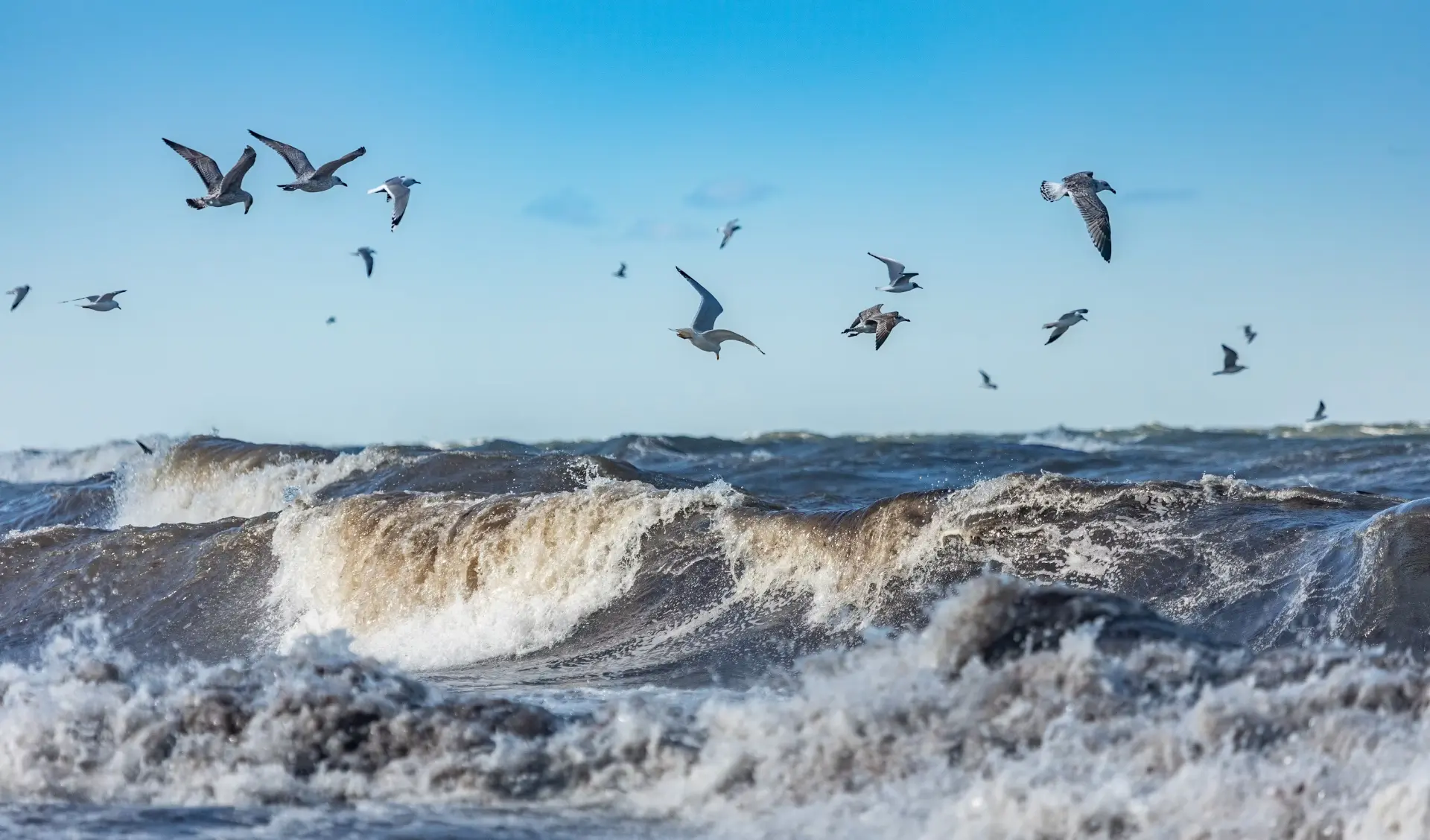
Seabirds flying over breaking waves, reflected in an untreated window
Untreated
Bird-safe

Markers spaced two inches apart, which is too tight for birds to try flying through.

The 2×2 Rule

Markers must sit no more than two inches apart, or small birds still aim for the gap.

Outside, Not Inside

Patterns belong on the outer surface, since that's the side doing the reflecting.

Up to 90% Fewer Strikes

Treated glass dramatically reduces fatal collisions at homes, schools, and offices.

Supported by
NOAA logoBay Area Youth Climate Summit logoGreen Jay logoCollidEscape.org logoDarkSky International logoLights Out Connecticut logoLights Out Northeast Florida logoHawk Migration Association logoFLAP Canada logoUNED logoKickapoo Valley Dark Sky Initiative logoPisces Oceans logoBirds Georgia logoWild Bird Feeding Institute logoGulf Coast Bird Observatory logoProyecto Aves y Ventanas logoLights Out Louisville logoLouisville Audubon Society logoNature Canada logoFeather Friendly logoBlue Ridge Wildlife Center logo

Where Our Network Reaches

65+ students and 13+ conservation professionals across 6 continents and 40+ cities

Tracy, CASan Jose, CASan Francisco, CAFremont, CARedwood City, CAFoster City, CABerkeley, CASanta Cruz, CACapitola, CASimi Valley, CATemecula, CAHouston, TXCastle Hills, TXArgyle, TXTampa, FLSt. Cloud, FLLake Worth Beach, FLJacksonville, FLGainesville, FLAtlanta, GAPendergrass, GAUpatoi, GAHawthorn Woods, ILPeoria, ILBoston, MACheshire, CTGreenwich, CTAtlantic City, NJBrooklyn, NYWashington, D.C.Gaithersburg, MDFort Collins, COSalt Lake City, UTBozeman, MTChandler, AZAlbuquerque, NMMinneapolis, MNDes Moines, IABaton Rouge, LAClarks Summit, PAYakima, WAHuntington Beach, CAPlymouth, UKHalifax, EnglandSão Caetano do Sul, BrazilShanghai, ChinaNairobi, KenyaKigali, RwandaAbuja, NigeriaPune, IndiaAmman, JordanValencia, VenezuelaSan Antonio Oeste, ArgentinaPuerto Princesa City, PhilippinesLusaka, ZambiaJiangmen, ChinaApia, SamoaHartford, CTJacksonville, FLAtlanta, GALouisville, KYHouston, TXSan Francisco, CAToronto, CanadaSan José, Costa RicaCATXFLGAILMACTNJNYDCMDCOUTMTAZNMMNIALAPAWAKYPlymouth, UKHalifax, EnglandSão Caetano do Sul, BrazilShanghai, ChinaNairobi, KenyaKigali, RwandaAbuja, NigeriaPune, IndiaAmman, JordanValencia, VenezuelaSan Antonio Oeste, ArgentinaPuerto Princesa City, PhilippinesLusaka, ZambiaJiangmen, ChinaApia, SamoaToronto, CanadaSan José, Costa Rica
Students Speakers
65+
Students Enrolled
40+
Cities Worldwide
6
Continents
13+
Conservation Professionals
Our Approach

How CFCN Works

A clear three-step pathway from learning to leadership.

Phase 01

Learn

Students participate in virtual environmental education through online modules and live sessions covering birds, conservation, and community action.

Phase 02

Take Action

Students identify high-risk windows and implement affordable bird-safe solutions using DIY guides and community engagement.

Phase 03

Lead

Students become Coastline Stewards, receive certificates, and may earn service hours where recognized by partner schools.

Why It Works

Education that builds long-term stewardship

Hands-on action creates real local impact, and the learning shapes lifelong conservation leaders.

Education-driven
Science-backed
Student-led
Community-focused
Stay Connected

Become a Coastline Steward

Every safer window has the potential to save a bird. Every informed student can inspire a community. Join the waitlist to be the first to know when Cohort 2 applications open.

Join the Waitlist